
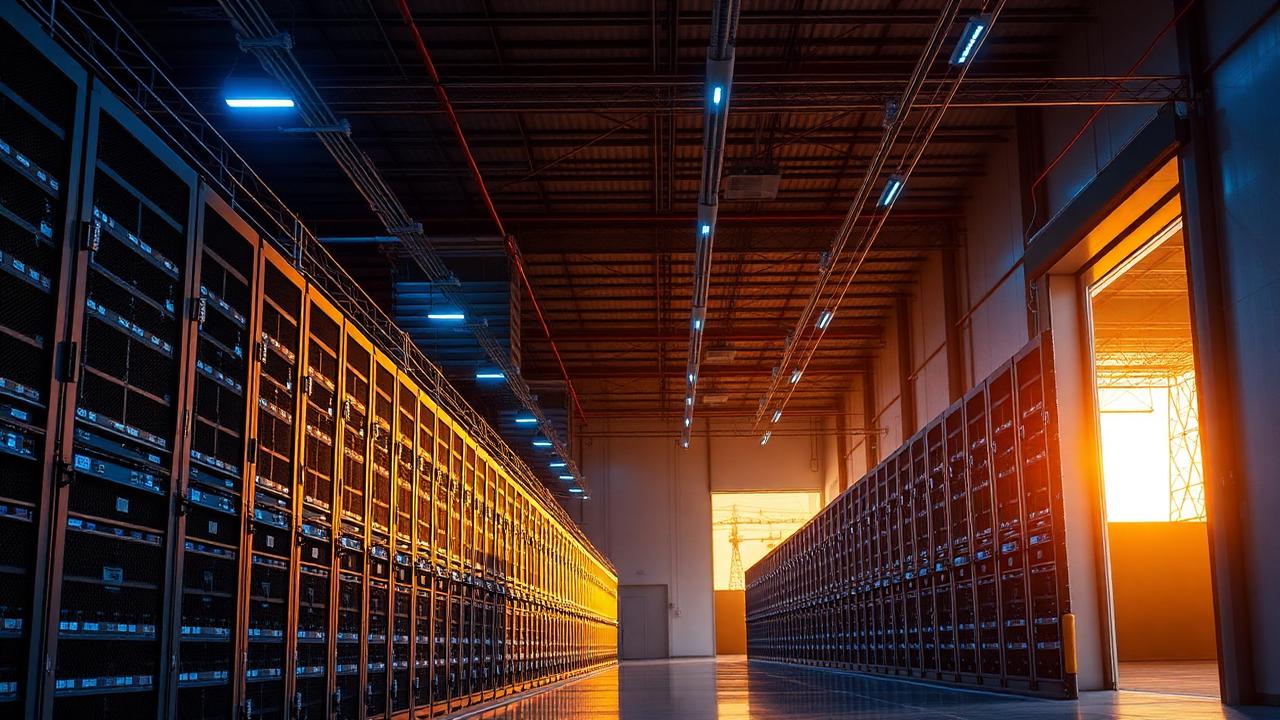
AUSTIN — Texas spent five years telling the world it was open for computing. This month it asked the queue to wait.
The governor ordered an audit of the 250 to 300 data-center projects in development across the state, covering both bitcoin mining operations and the AI facilities increasingly replacing them, and new approvals are paused while the Public Utility Commission works through the review. ERCOT, the grid operator, logged a record hourly load of 91,089 megawatts on July 22.
The state''s original bargain with miners was demand response. Mining loads can be switched off within seconds, and Texas paid them to do exactly that during summer peaks, which made large flexible loads an asset rather than a liability.
AI changes the arithmetic. A training cluster with contractual uptime obligations cannot be curtailed on an August afternoon, so as mining capacity converts to AI capacity the grid loses the emergency brake it was counting on.
Texas hosts the second-largest concentration of data centers in the country, behind Virginia, and the interconnection queue contains far more megawatts than will ever be built — a well-known distortion, since speculative applications inflate the numbers planners must respect.
For miners, the pause arrives at an awkward moment. Many had begun marketing their interconnection rights as the most valuable thing they own.